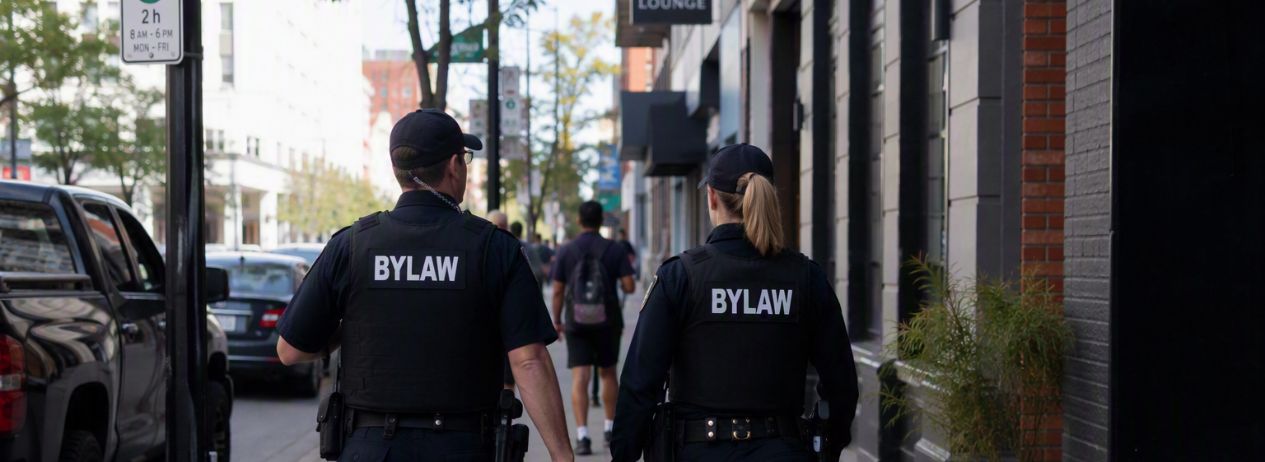
Like most jobs, a career in bylaw enforcement has its share of rewards and challenges.
Depending on the size of the community and the bylaw in question, the responsibility of maintaining community standards doesn’t necessarily fall to conventional bylaw teams.
In many communities, there is a need for cross-collaboration between different departments. For example, a single dwelling can be in contravention of bylaws related to property standards, animal control, parking permitting, and fire prevention.
To maintain job satisfaction and internal efficiency, organizations must equip their employees with more than basic training, a suitable uniform, and a way to distribute notices.
The following outlines ways municipalities and regional districts can improve working conditions for these critical employees.
Provide the Right Tools for Maximum Efficiency
Although every community is different, more municipalities and regional districts are noticing an increase in bylaw complaints and violations. Managing high volumes with a limited workforce can make the job daunting.
The people tasked with upholding bylaw rules and regulations may include specially designated peace officers, hired enforcement professionals (e.g., parking service contractors), or even persons from specified government departments who are most familiar with the bylaw in question, whether it is a fire code, a barking dog, or a construction-related permitting issue
It should come as no surprise that alleviating repetitive administrative paperwork and data entry is a top priority for many bylaw professionals.
Given the emotional nature of people’s responses to monetary fines and warnings, Bylaw officials need equipment that helps them expedite their work in the quickest possible manner, especially while on site.
Hardware:
Hardware devices for bylaw staff may include smartphones, laptops, and portable Bluetooth printers. In the case of parking notices, essential tools may include License Plate Recognition technology, such as cameras affixed to the patrol vehicle or a handheld version for scanning. This gear should be rugged, portable, and suitable for all possible weather conditions.
Software:
Whether issuing parking tickets or documenting complaints, bylaw officials deserve technology that is fast, intuitive, and reliable. This means in-field software with “front-end” notice processing and an administrative “back-end” for record-keeping and managing disputes. Automated scheduling and dispatch technology may also be utilized.
Software should provide at-a-glance digital case management with real-time data and the ability to add notes and photos.
Providing a Way to Unify Bylaw Operations
If separate software systems are utilized between in-office and on-site staff, these systems should function together seamlessly.
Having one centralized reporting platform link with a single sign-on that covers all aspects of the violation history is highly desirable for administrators and bylaw officials in the field.
Other beneficial features to have include:
- Autofill and preset info to speed up data entry on site
- Warning tag options and adjustable penalties
- Custom violation capabilities for added flexibility
- Configurable reports for strategic planning and measurable outcomes (e.g., easy-to-read heatmaps for targeting areas with consistently high violations)
- Productivity tracking to improve procedural efficiencies (e.g., determining better ways for parking officials to oversee multiple lots)
- Capacity for integration with other essential tools and platforms (court systems)
- Self-serve online options for the public to manage payments and disputes
Bottom line: outdated systems run the risk of slowing down workflows and frustrating staff. Utilizing specialized programs, such as Vista, that are designed specifically with the needs of bylaw officials in mind, eliminates the stumbling blocks imposed by more generic, segregated systems or manual processes.
Clear Communication for the Public
Bylaw notices and tickets are often the result of misunderstandings. Although ignorance of the law is not a valid excuse for non-compliance, it is often the case.
If the same offence regularly occurs, it may be due to a lack of effective communication. At a civic level, strategies should be implemented to target public awareness.
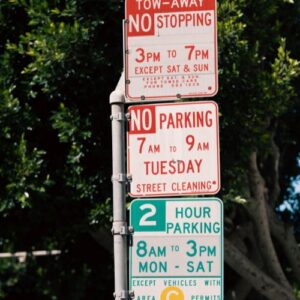
It is also important to have easily accessible online documentation for residents to reference. If confronted, bylaw officials need an online resource they can direct people to for further clarification.
In public areas, posted signage must be highly visible with clearly defined rules (parking hours, noise ordinances, permissible smoking areas, and the allowance of pets off leash). The harder people have to look, the less inclined they are to comply with the rules.
When responding to initial complaints or ticket disputes, timely, proactive follow-up is essential to minimize what may become an ongoing conflict. In busy municipalities, this makes the inclusion of public-facing online self-serve portals for handling payments and disputes a huge time saver. This option is beneficial, not just for the person who has been issued the notice, but also for the department responsible.
Enhanced Training for Professional Development
Bylaw officials are front-of-the-line staff tasked with upholding local community standards and addressing complaints in the public sphere. The most effective bylaw employees typically possess a mix of critical thinking, empathy, assertiveness, problem-solving, strong communication, and listening skills.
These are desirable traits for any employee, not just those who issue notices. It is a skill set worth nurturing.
Training for Bylaw enforcement professionals should include:
- De-escalation techniques
- Communication and interpersonal skills development
- Cultural awareness training
- Legal training
- Risk assessment training
- Clear safety protocols and backup procedures
- Online resources for quick reference
It’s critical to view bylaw training as a continuous process. Instruction should integrate scenario-based learning that is directly connected to the experiences of bylaw staff. On-the-job training should never be viewed as a one-and-done proposition.
Anything that leads to better decision-making in the field and more confident employees reflects positively on the governing body.
Supporting Bylaw Officials for Future Success
A big part of any organization’s success is its ability to make its employees feel supported and protected. This is especially critical for individuals enforcing rules that may impose monetary fines.
Transparent communication from leadership, clear procedures, and a sense of team with a strong, well-defined work culture are essential for maintaining morale and engagement.
Entities that provide opportunities for career growth and leadership development, including specialized roles and job titles, will benefit from increased retention and motivated staff.
Is your current bylaw software and tool set adequate to meet the demands of your municipality? Are you looking for an outside service provider to oversee your parking enforcement or assist with training? Our team is happy to discuss ways to improve your daily operations. Reach out with any questions that you may have.